
Paver Sealing in Broward County, FL
BAM Pressure Cleaning provides paver cleaning and sealing for HOA communities, commercial properties and homeowners throughout Broward County, FL. We pair thorough pressure cleaning with a protective sealer that helps resist stains, enhances the look of your pavers and makes routine upkeep easier.
Professional Paver Cleaning and Sealing
Paver sealing adds a protective coat to pavers that have been properly cleaned and prepared. Depending on the material and product, it helps limit moisture and stain absorption, can help retain joint sand and brings out the natural color of the surface.
We seal concrete pavers, travertine, Chicago brick, sandblasted marble and shellstone. Before recommending a sealer, we check the material, any existing coating and the overall condition of the surface.
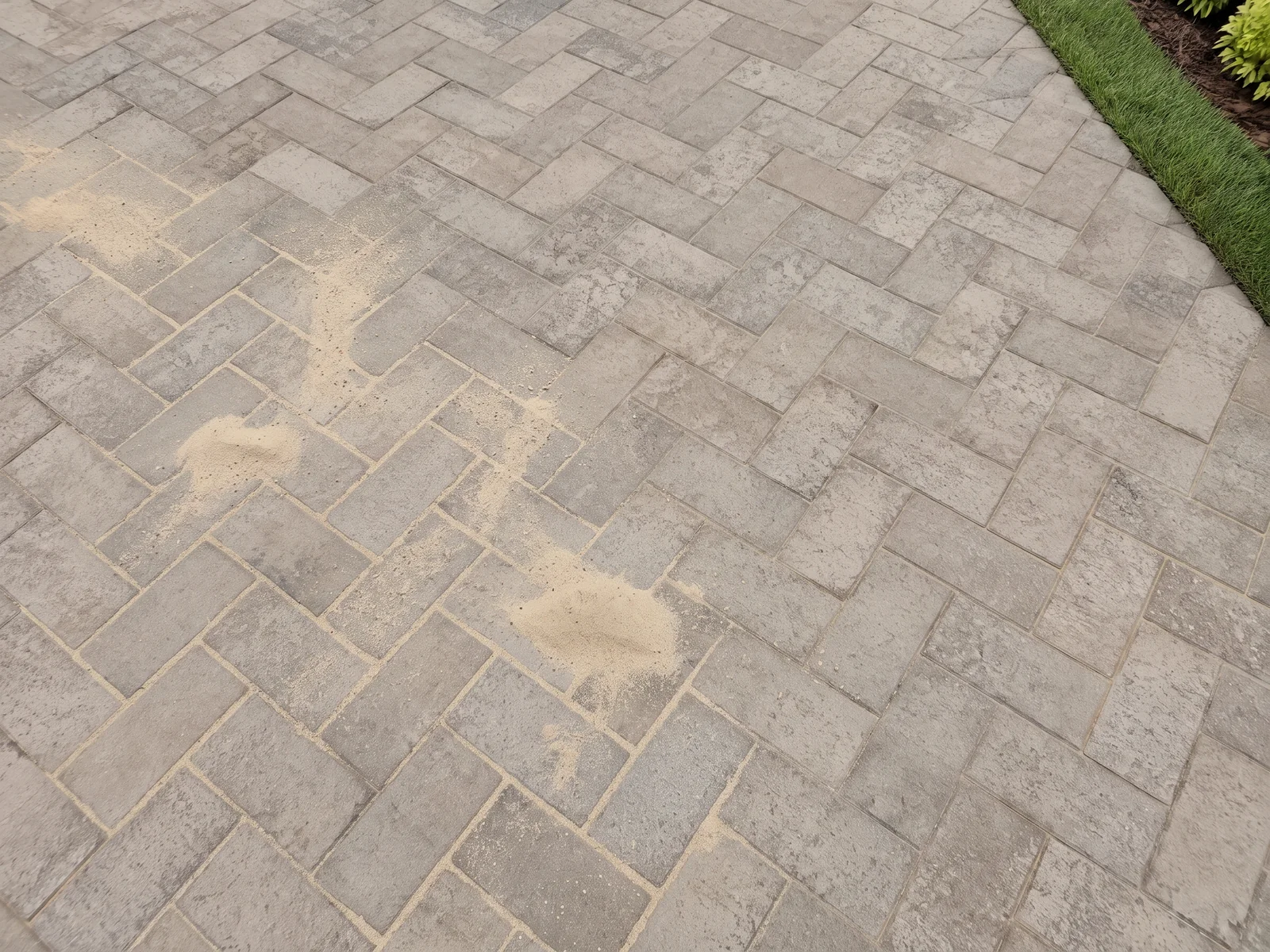
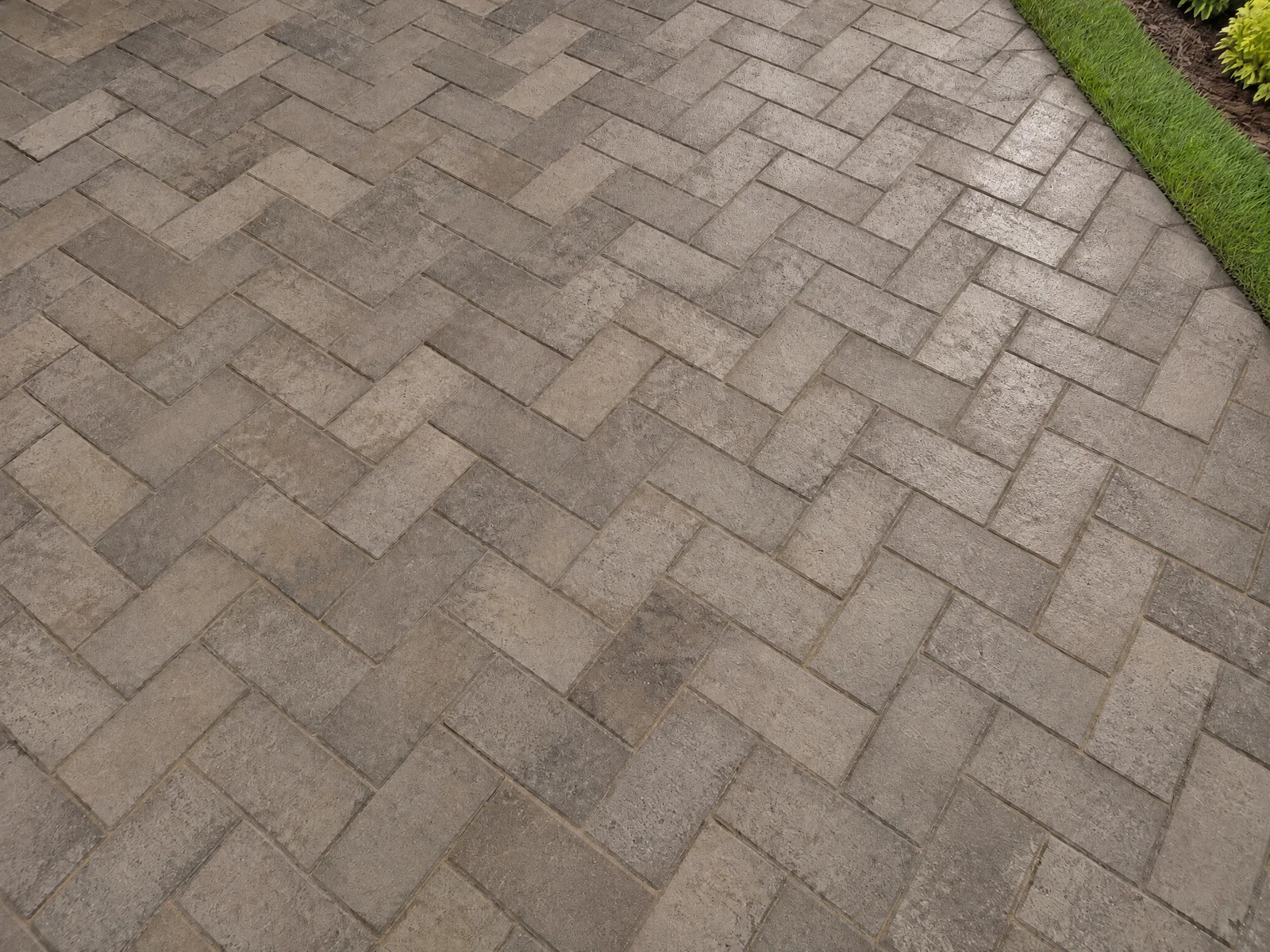
Choose Your Finish: Natural or Wet Look
Concrete pavers, brick and natural stone each react differently to sealer, and the product you choose determines how much the color and sheen change. Sealers are available in a natural, matte look that keeps the pavers’ original appearance, or a wet-look finish that deepens color and adds sheen. We’ll help you pick the right finish for your driveway, patio or common area before application.
Paver Areas We Seal
Whether it’s a single patio or every walkway in a community, your estimate lists each surface to be treated and the prep work it needs.
Driveways
Patios
Sealing helps reduce how much food spills, grease and dirt soak in, making outdoor dining and seating areas easier to clean.
Pool Decks
Pool decks deal with constant moisture, bare feet and splash from chlorine or saltwater pools, which can wear down travertine and shellstone over time. Sealer selection for pool decks takes traction into account — ask about an anti-slip additive for wet areas.
Sidewalks and Walkways
We clean and seal paver paths connecting homes, buildings and amenities, working in sections with pedestrian routes agreed in advance. For adjoining concrete sidewalks, ask about our concrete cleaning service.
Community Entrances
Keep your community’s front entrance looking sharp by sealing entry pavers and nearby walkways as part of scheduled maintenance.
Courtyards and Common Areas
We seal gathering areas, clubhouse grounds and other paver spaces used by residents, tenants and visitors.
Paver Sealing for Communities, Businesses and Homes
Every property has its own access needs. We schedule the work around how each area is used and who manages the property.
Municipal and Public Properties
We clean and seal paver walkways, plazas and building entrances at public facilities, with work zones and pedestrian detours set up before we start.
HOA, Condo and Multifamily Communities
We seal shared walkways, entrances, pool areas and driveways of participating homeowners. Larger projects are completed in phases, with temporary access and parking restrictions scheduled in advance.
Commercial Properties
We clean and seal paver entrances, courtyards and outdoor seating areas at offices, retail centers, hotels and restaurants, scheduling work around business hours and customer traffic. For broader exterior maintenance, explore our commercial pressure cleaning services.
Homeowners
Get your driveway, brick patio, pool deck or walkways cleaned and sealed, with all agreed areas listed in your estimate. For other exterior surfaces around your home, explore our residential pressure cleaning services.
Why Choose BAM Pressure Cleaning
BAM brings decades of exterior cleaning experience to homes, communities and commercial properties across Broward County.
Serving South Florida Since 2000
More than two decades of exterior cleaning have taught us how South Florida’s sun, humidity and heavy rain affect pavers, and how to protect them.
Experience with Communities and Municipalities
We know what it takes to work around residents, shared entrances, parked cars and busy walkways.
Crews for Projects of Any Size
Dedicated crews and on-site supervision keep work organized, from a single driveway to a community-wide project.
Clear, Detailed Estimates
Your estimate lists the areas to be treated, the prep work required and any additional work you approve, so you know exactly what you’re getting before we schedule.
Our Paver Cleaning and Sealing Process
Every project is tailored to the material and its condition. Existing sealers, joint sand, drainage and weather all affect how we approach the work.
Site Visit and Assessment
We inspect the pavers, stains, existing coating and joints, then confirm the areas to be treated and the access details.
Cleaning and Stain Removal
We remove dirt, mold, algae and other buildup using surface-safe cleaning methods, then pre-treat stains such as oil, rust and tire marks.
Joint Sand and Drying
We re-sand the joints as needed; if re-sanding is required, it’s listed in your estimate. The pavers are allowed to dry after washing, and sealing is scheduled around the forecast.
Sealer Application
We apply a sealer matched to the material, its condition and the finish you choose. Water-based sealers are widely used in South Florida’s heat and humidity, and joint-stabilizing formulas can help hold sand in place where the paver system allows.
Final Walkthrough and Care Instructions
We walk the completed areas with you and explain when furniture, foot traffic and vehicles can return.
Careful Work Around Residents and Daily Activity
Paver sealing happens around landscaping, buildings, vehicles and people coming and going. We mark off the work area and discuss access before the project starts. For communities and commercial properties, we work out the sequence with the property manager or association and identify areas that must stay clear while the sealer cures.


Certified and Compliant
When to Consider Paver Sealing
South Florida pavers face strong sun, heavy rain, irrigation and daily traffic year-round. These signs suggest it may be time for cleaning and sealing:
- Faded or dull color. Sun exposure fades pavers over time. Cleaning and sealing can bring back and deepen the original color, depending on the material and its condition.
- Stains that won’t rinse off. Unsealed pavers soak up oil, food spills and dirt. Sealing helps resist stains and makes routine cleaning easier.
- Rust stains from irrigation. Well water used for sprinklers can leave orange rust stains on pavers. We treat these during cleaning, and sealing helps limit new staining.
- Mold, mildew and algae. Shade and year-round humidity encourage black and green growth, especially on patios and walkways. Regular cleaning and sealing help keep it in check.
- Missing or washed-out joint sand. Heavy rain during South Florida’s wet season can wash sand out of the joints, leading to weeds, ants and shifting pavers. Re-sanding before sealing, combined with a suitable sealer, helps keep the joints intact.
- Newly installed pavers. A new driveway, patio or pool deck may benefit from sealing once the surface is ready. Timing depends on the paver material and the manufacturer’s recommendations; any efflorescence (white haze) is cleaned off before sealing.
- Scheduled community maintenance. Sealing can be added to scheduled cleaning of entrances, walkways and common areas, so the association can handle prep, access and resident notices in one plan.
Loose or damaged pavers, drainage problems and failing existing coatings need to be addressed separately. Identifying them before sealing helps define the prep work and sets realistic expectations for the finished surface.
Request a Free Paver Sealing Estimate
Contact BAM Pressure Cleaning for a free paver sealing estimate in Broward County. Share the property address, approximate square footage, paver material and any concerns about stains or existing coatings, and we’ll recommend the right cleaning and sealing plan for your home, community or commercial property.
What Our Customers Say
FAQ
How much does paver sealing cost?
Paver sealing cost depends on square footage, material, surface condition, prep work and the sealer you choose. Stain treatment, re-sanding and removing an old coating can all affect the price. When comparing quotes per square foot, check which prep steps are included. Contact BAM Pressure Cleaning for a free estimate for your property.
Can older pavers be sealed, or is sealing only for new installations?
Yes, in most cases. Age alone doesn’t determine whether pavers can be sealed; the material, condition, stains and any previous treatment matter more. Sealing can improve the appearance of older pavers, but existing wear or deep discoloration may still show.
Can new sealer be applied over an existing coating?
It depends on the condition and compatibility of the existing sealer. A failing or incompatible coating may need to be stripped before a new one goes on. Let us know about any previous sealing when you request your estimate.
Will sealing make my pool deck slippery?
A high-gloss sealer can make some surfaces more slippery when wet, but the right product and finish help prevent that. For pool decks, a natural or low-sheen finish is usually the better choice, and an anti-slip additive can improve traction when the surface is wet — ask about this option when requesting your estimate.
How long will I need to keep people and vehicles off the pavers?
As a general guide, allow 4–24 hours before light foot traffic and 48–72 hours before driving or parking after the final coat. Humidity and rain may extend these times. We’ll give you specific instructions for the sealer used on your property.
How often do pavers need resealing?
In South Florida, a paver sealer typically lasts 2–4 years, depending on traffic, sun exposure, drainage and maintenance. We recommend checking the existing finish before resealing, since applying sealer too often can cause buildup, white haze or peeling.
Does sealing remove stains or repair damaged pavers?
Stains are treated during cleaning and prep. Sealing itself won’t remove stains that have already soaked in, replace broken pavers or level sunken areas. We point out these issues before the work begins.
How should we prepare the property?
Move vehicles, furniture, planters and personal items out of the work areas. Turn off sprinklers the day before and keep them off until we let you know it’s safe to run them again. For community projects, coordinate resident notices and parking with the association or property manager.